
By TA•MA
Cuore Di Mare
Aeolian Islands
There are places that stay with you long after you leave them. The Aeolian Islands were one of those places. The light. The volcanic landscapes. The whitewashed walls were capers cling to stone. The scent of salt and wild flowers carried by the wind. The dark silhouette of Stromboli against the sky.
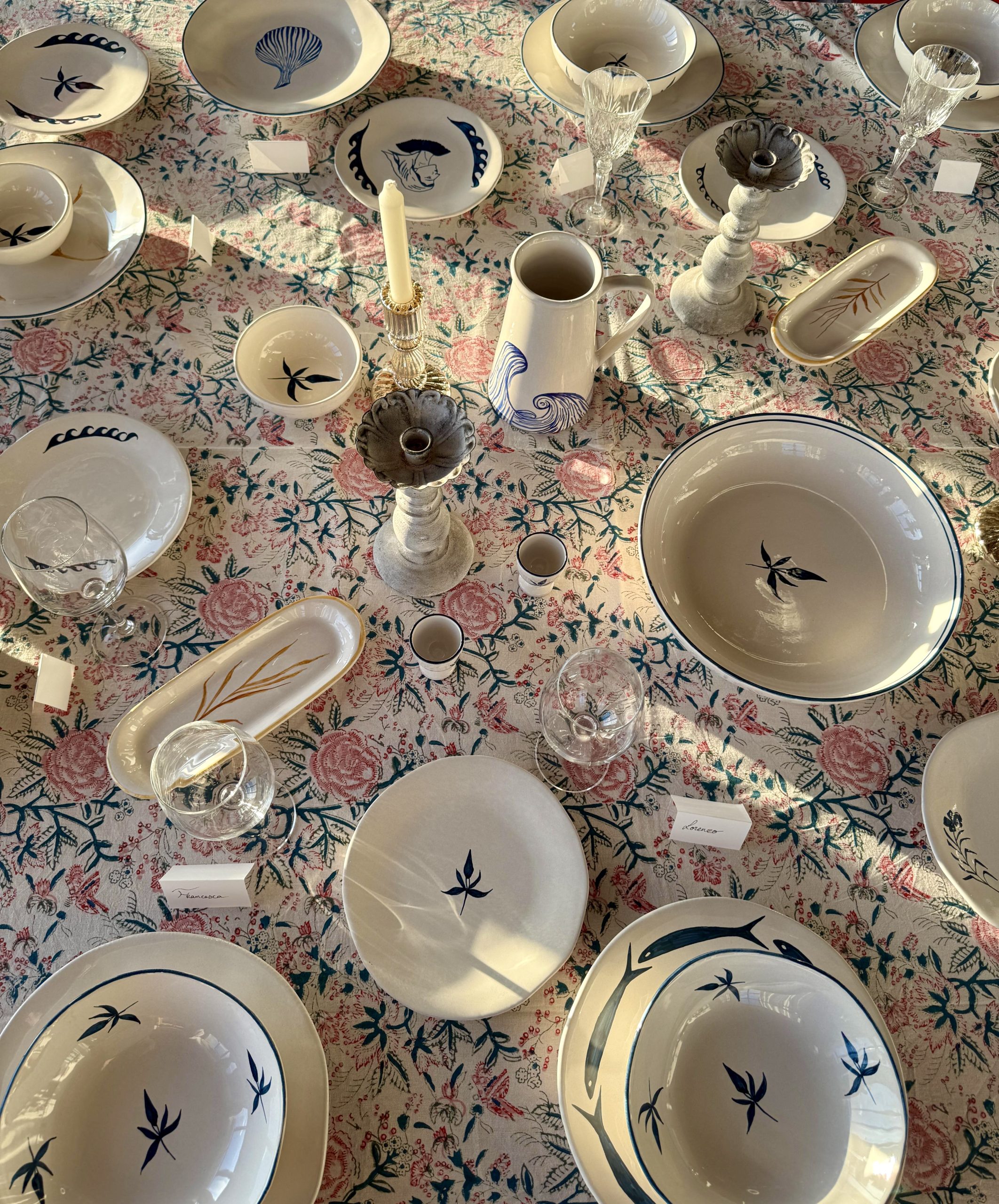
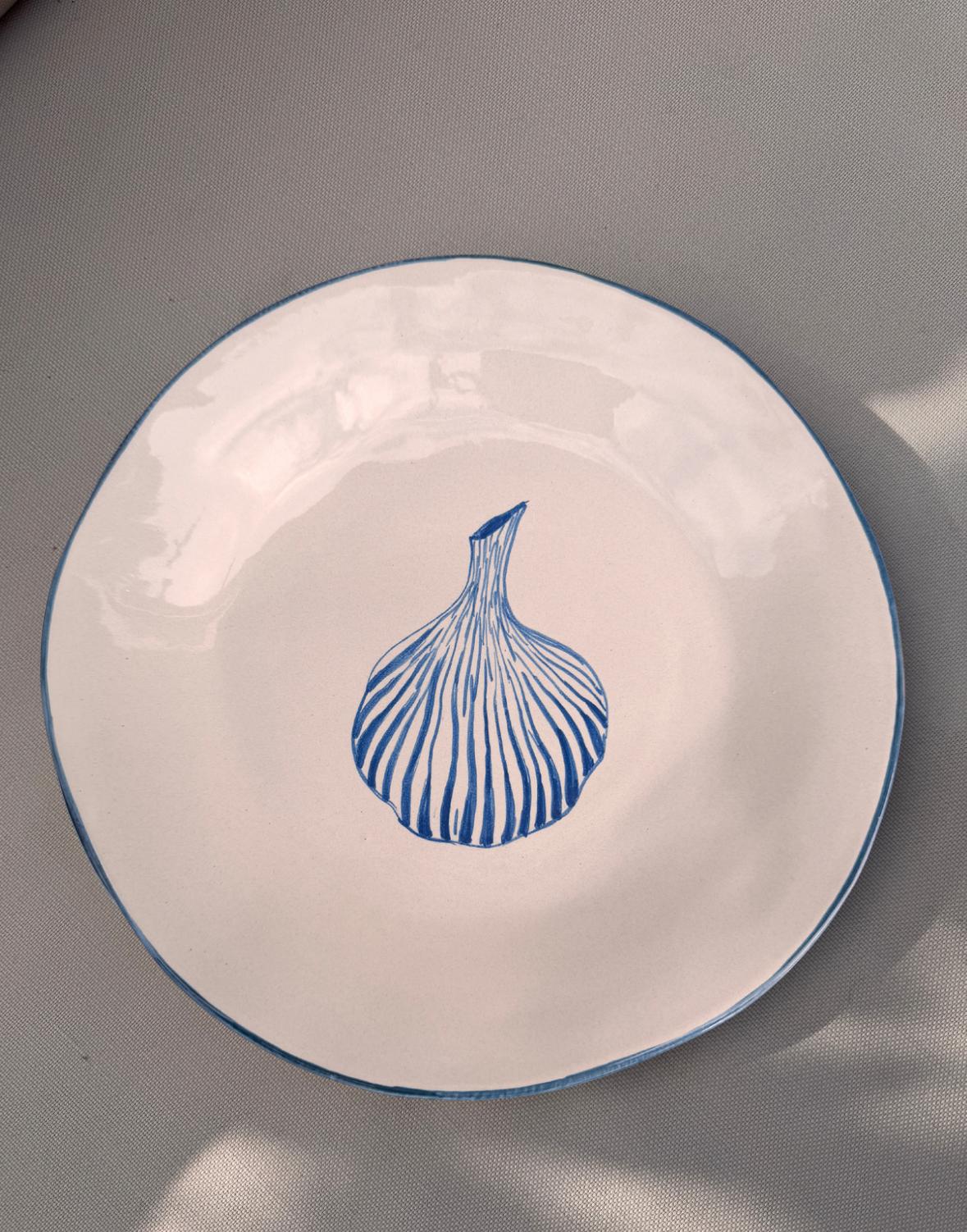
Cuore di Mare was born from that memory.
Having spent much of my life connected to islands, their rhythm and intensity feel deeply familiar to me. Island life has always been part of my reality. Drawn to the rhythm and intensity of Greek islands, I have long felt that they hold a particular emotional force self-contained worlds, yet open to the horizon. Perhaps that is why I was so deeply moved by the Aeolian Islands, places I knew less, yet instinctively understood.
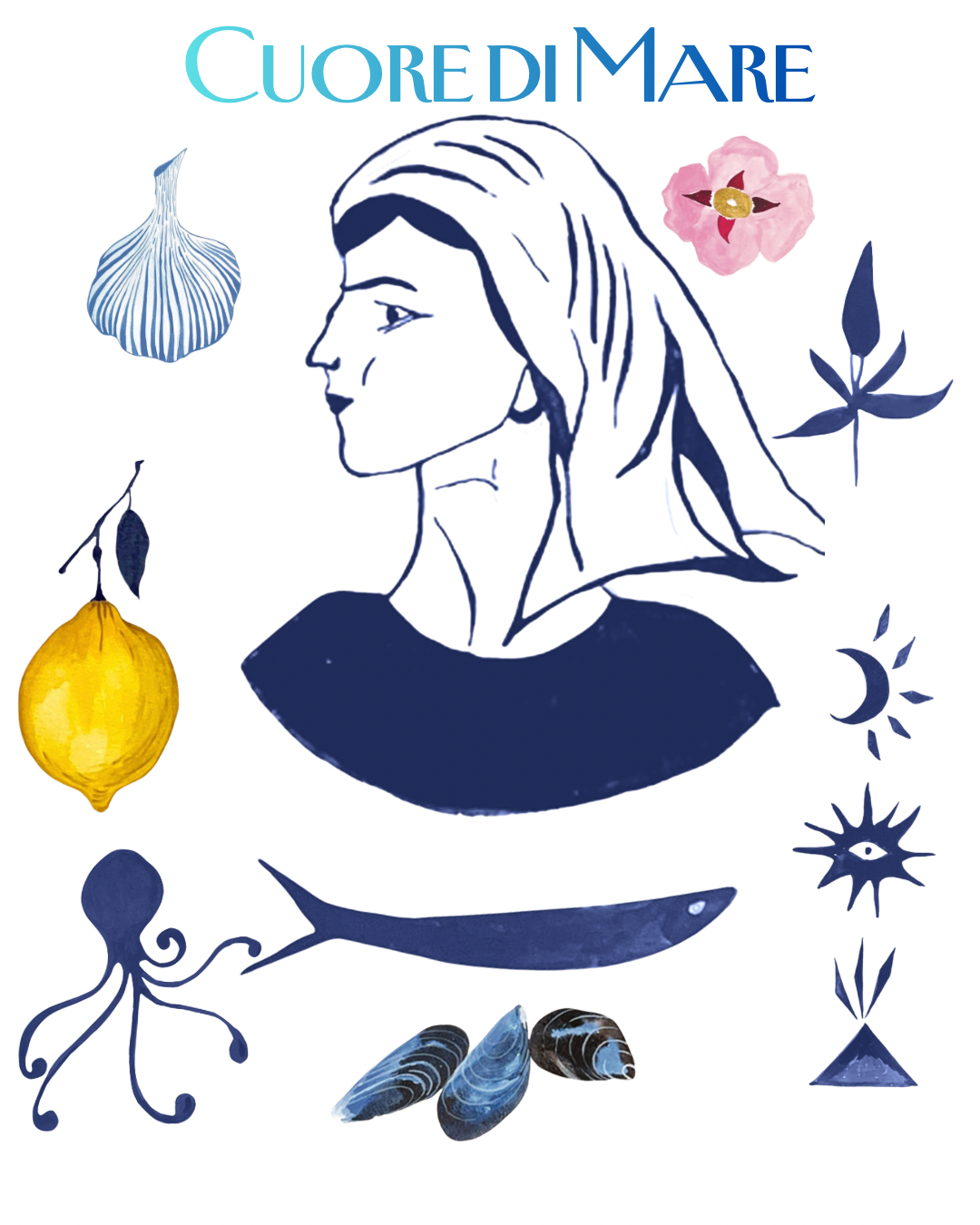
When I began envisioning this first collection for TA•MA, it felt natural that it would be inspired by an island landscape. Terracotta became the canvas, rooted in the ceramic tradition of Italy, and I began imagining a collection emerging from it: capers clinging to stone, wild Mediterranean flowers, octopus and waves, garlic braids drying in the sun, mussels gathered from the shore, the volcano rising in the distance.
Symbols of land and sea.
Symbols of rhythm, resilience, and everyday gestures.
Cuore di Mare is therefore the result of a true collaboration.
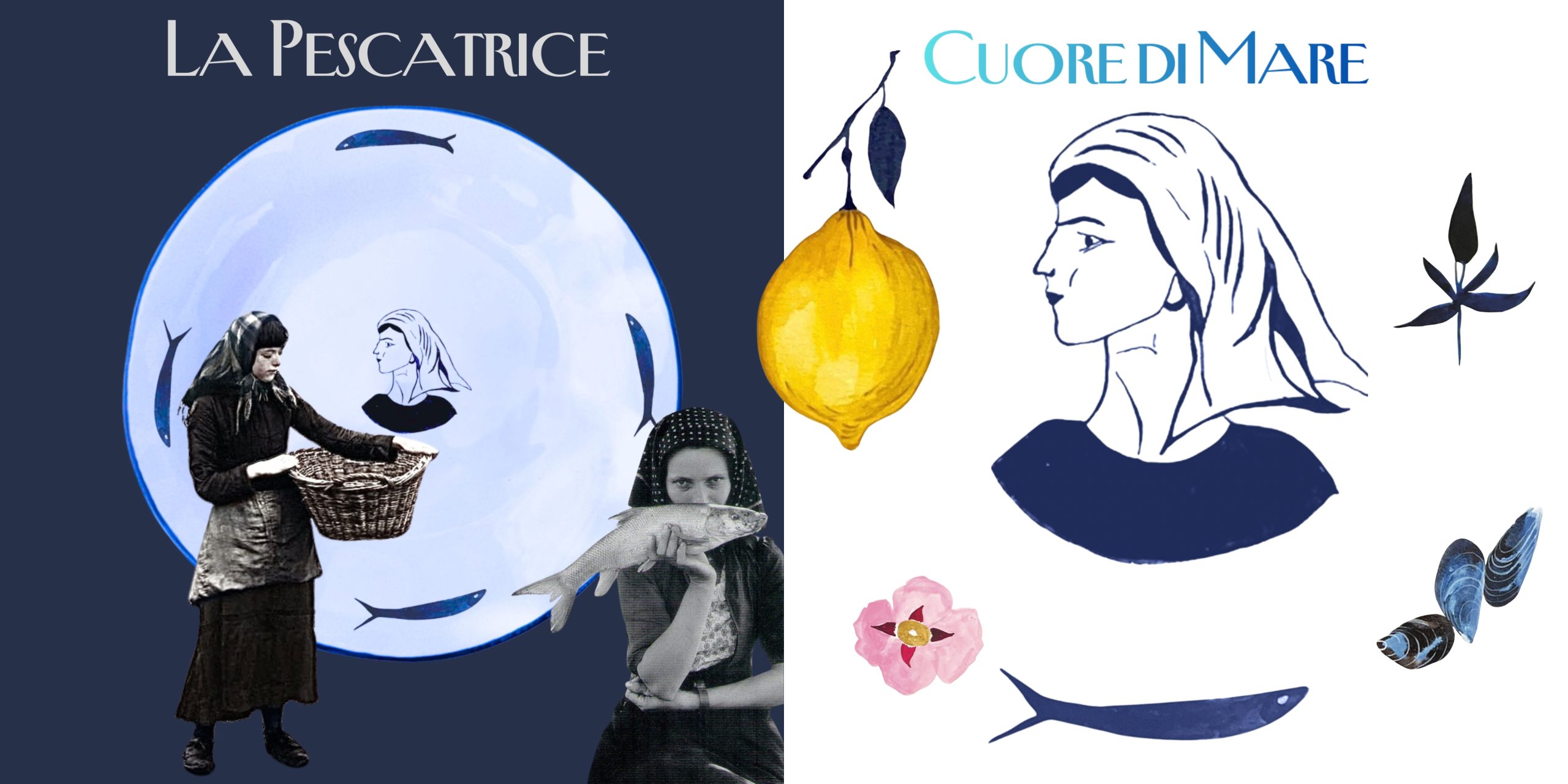
As the vision developed, I entered into a creative dialogue with illustrator and painter Aïsha Ravate, whose own life on an island, Reunion, brings a deeply personal sensibility to her work. Through research and exchange, she introduced me to the legend of the fisherwomen of the Aeolian Islands, women who, during times of war, remained when the men left. They fished, gathered, and sustained their communities, yet their stories were rarely preserved in official histories.
This discovery gave the collection a new emotional dimension.
The drawings Aïsha created are not decorative motifs. They are gestures, echoes of daily acts shaped by wind and salt. Together, we worked closely on how these symbols would live on each piece: their scale, their placement, their balance on terracotta surfaces. It was a shared and thoughtful process.
Cuore di Mare is therefore the result of a true collaboration.
I conceived and curated the the forms and the symbolic direction of the collection. Aïsha translated that vision into a narrative with her drawings, and helped shape how they inhabit each object. What emerged is a dialogue between landscape, memory, and hand.
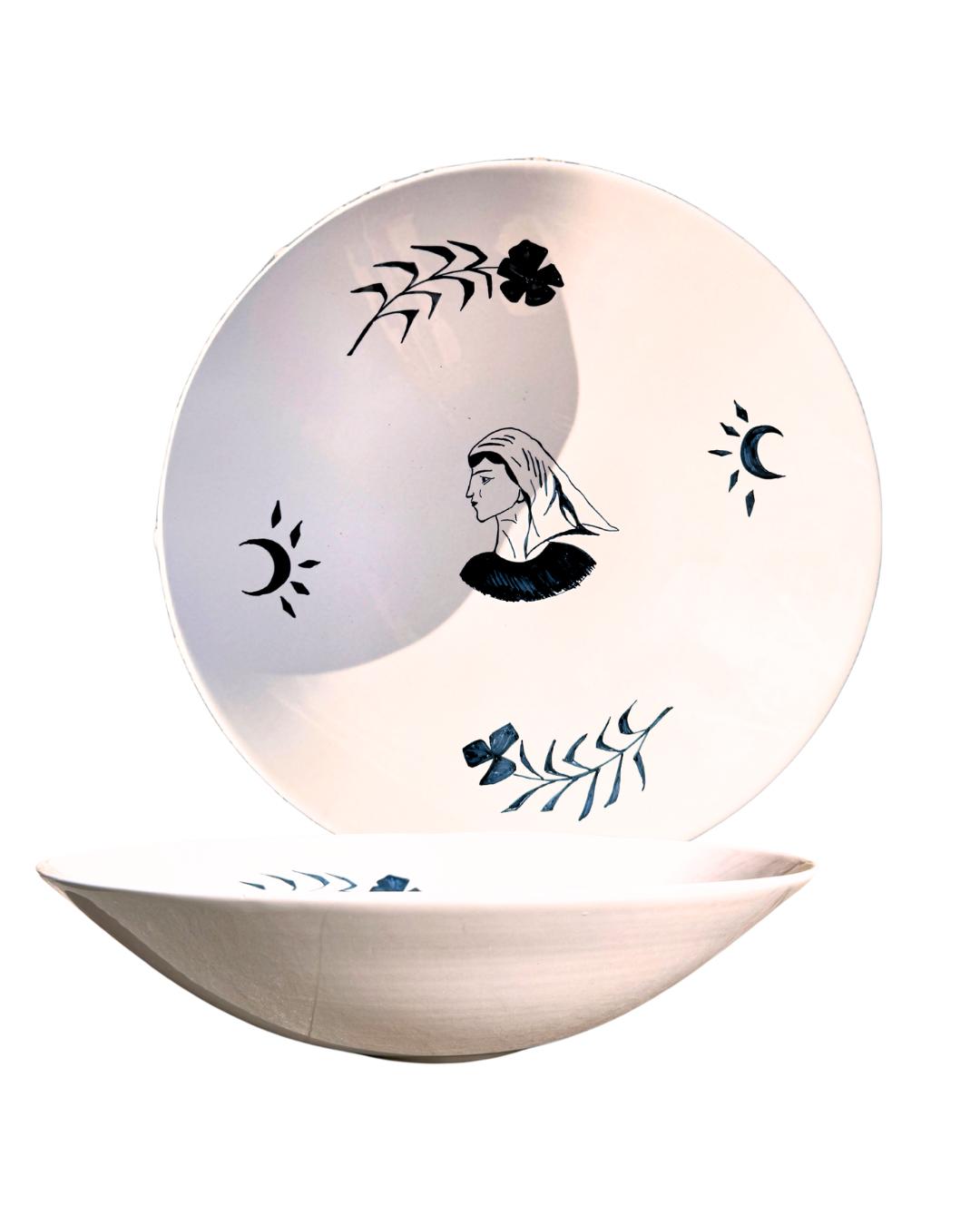
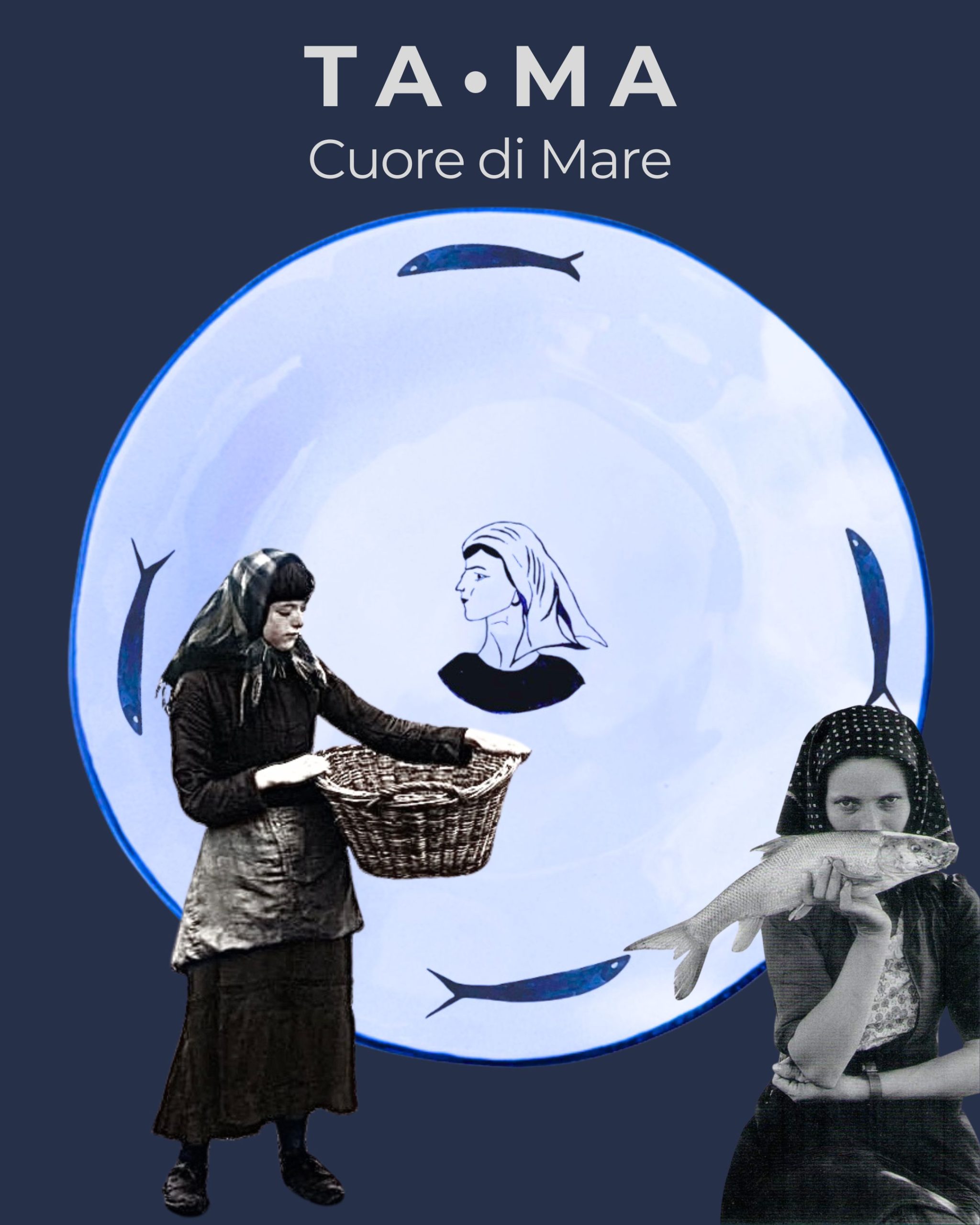
La Pescatrice
Each piece is handcrafted and hand-painted in Italy, continuing a centuries-old ceramic tradition while opening it to a contemporary language. The hand remains visible. The irregularities are intentional. The material speaks.
Cuore di Mare is a vast and evolving collection, a constellation of symbols and forms that can be composed in multiple ways. Plates, bowls, serving pieces, and objects will unfold progressively, revealing different narratives within the same Mediterranean universe.
The first chapter we are presenting is La Pescatrice, a variation where the figure of the fisherwoman becomes central. It feels particularly meaningful to unveil this chapter as International Women’s Day approaches, honoring both the legend that inspired it and the enduring strength of women whose gestures often remain unseen.
Cuore di Mare is an island translated into clay.A meeting point between memory, craft, and feminine resilience.
A table that tells a story beyond the figurative.